Horse in soft light with the BICOM® device base visibleHorse in soft light with BICOM device base visible, equine hub banner

EQUINE

CASE ACCOUNTS

Horses after injury, with the X-rays. Educational material only.

Equine case accounts

Back in work. The horses, the X-rays and what the vets said.

Individual accounts from owners, practitioners and vets, where BICOM® bioresonance was used alongside veterinary care after an injury.

Each account says what happened, what the vet found and what else the horse had. It is one horse at a time, told as fully as we can, and it is not a promise about yours.

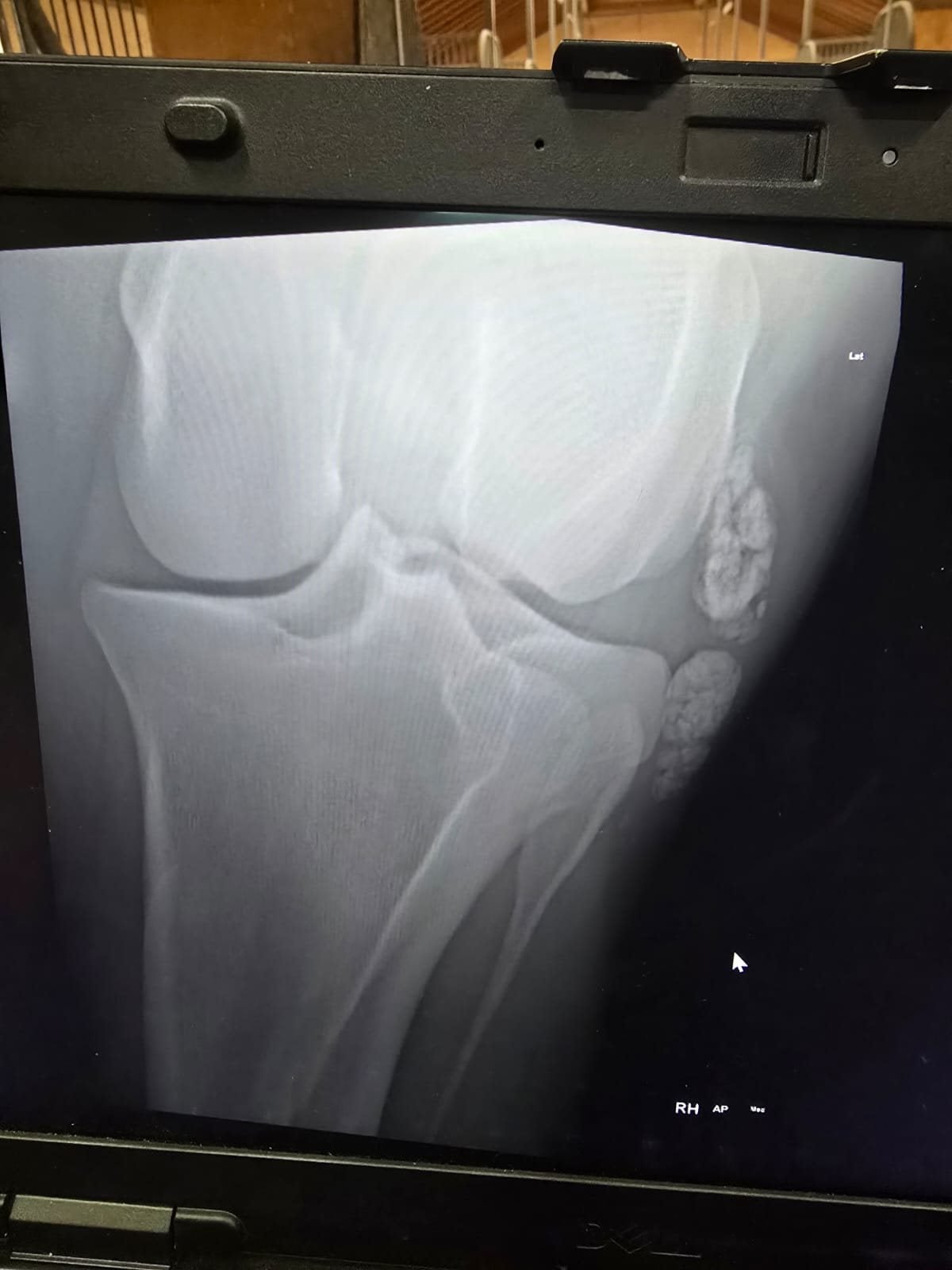
X-ray of Abra's right hind, AP view, showing the area of the injury on the outer side of the joint
Case account 1

Abra, a five-year-old Trakehner gelding

In November, Abra’s right hind leg was X-rayed after a kick or impact injury.

The images below come from that examination. His care was led by his veterinarian throughout, and he also had BICOM® bioresonance sessions alongside it during his recovery.

When the vet reviewed the last of these X-rays, he gave his verdict on Abra’s future in plain terms, and gave us his permission to share it.

Horse
Abra, Trakehner gelding, five years old
Injury
Kick or impact injury, right hind
Imaging
X-rays of the right hind, from November
Care
Veterinary care, with BICOM® bioresonance alongside
The vet’s verdict

“This horse can be used as a cross-country horse and will never have a problem from this injury.”

Abra’s veterinarianAn official veterinarian used by the Austrian and German Olympic equestrian teams
X-ray of Abra's right hind, AP view, showing the area of the injury on the outer side of the joint
Right hind · view 1 of 3
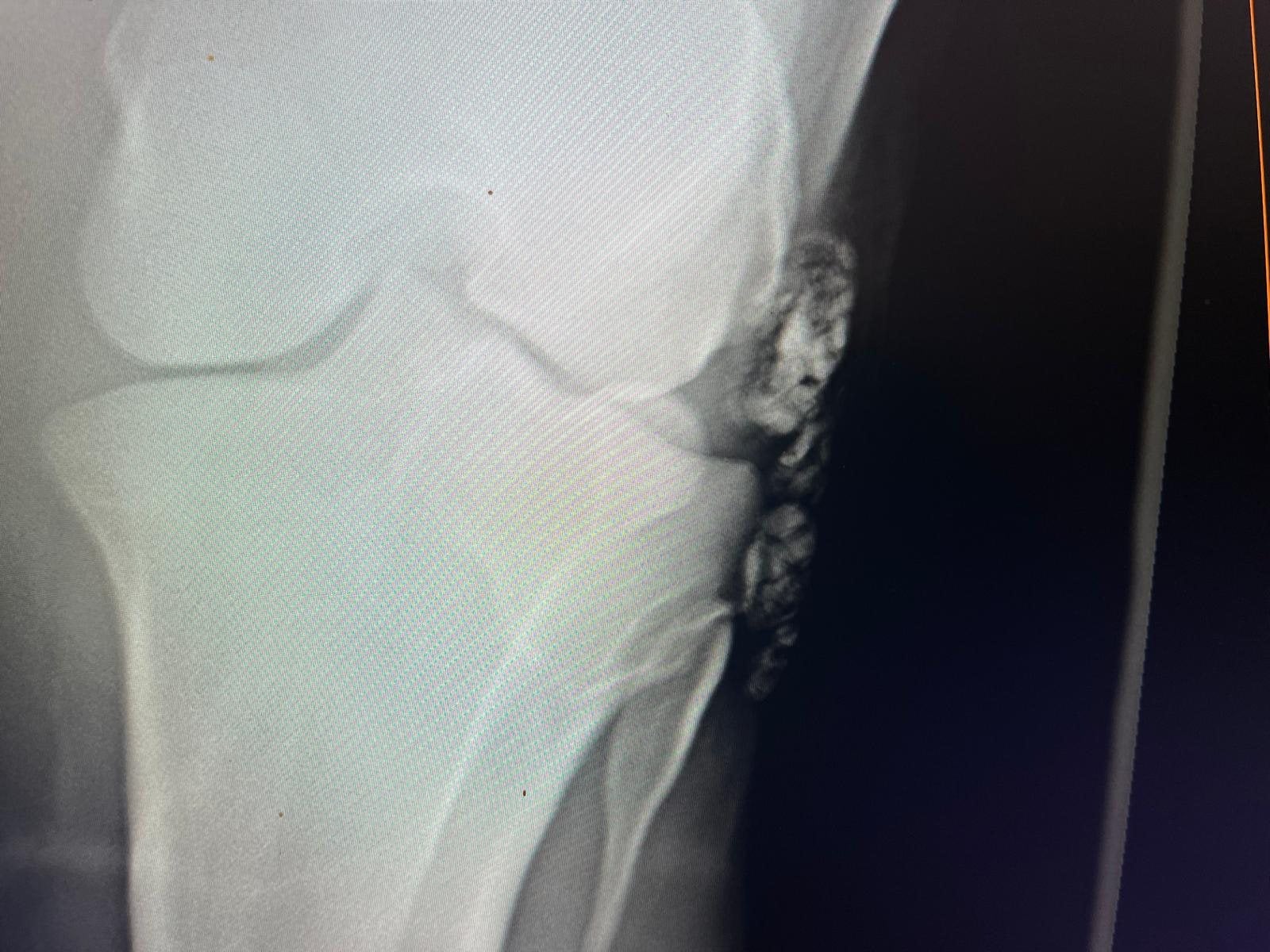
Close view of the same area on Abra's right hind X-ray
Right hind · view 2 of 3
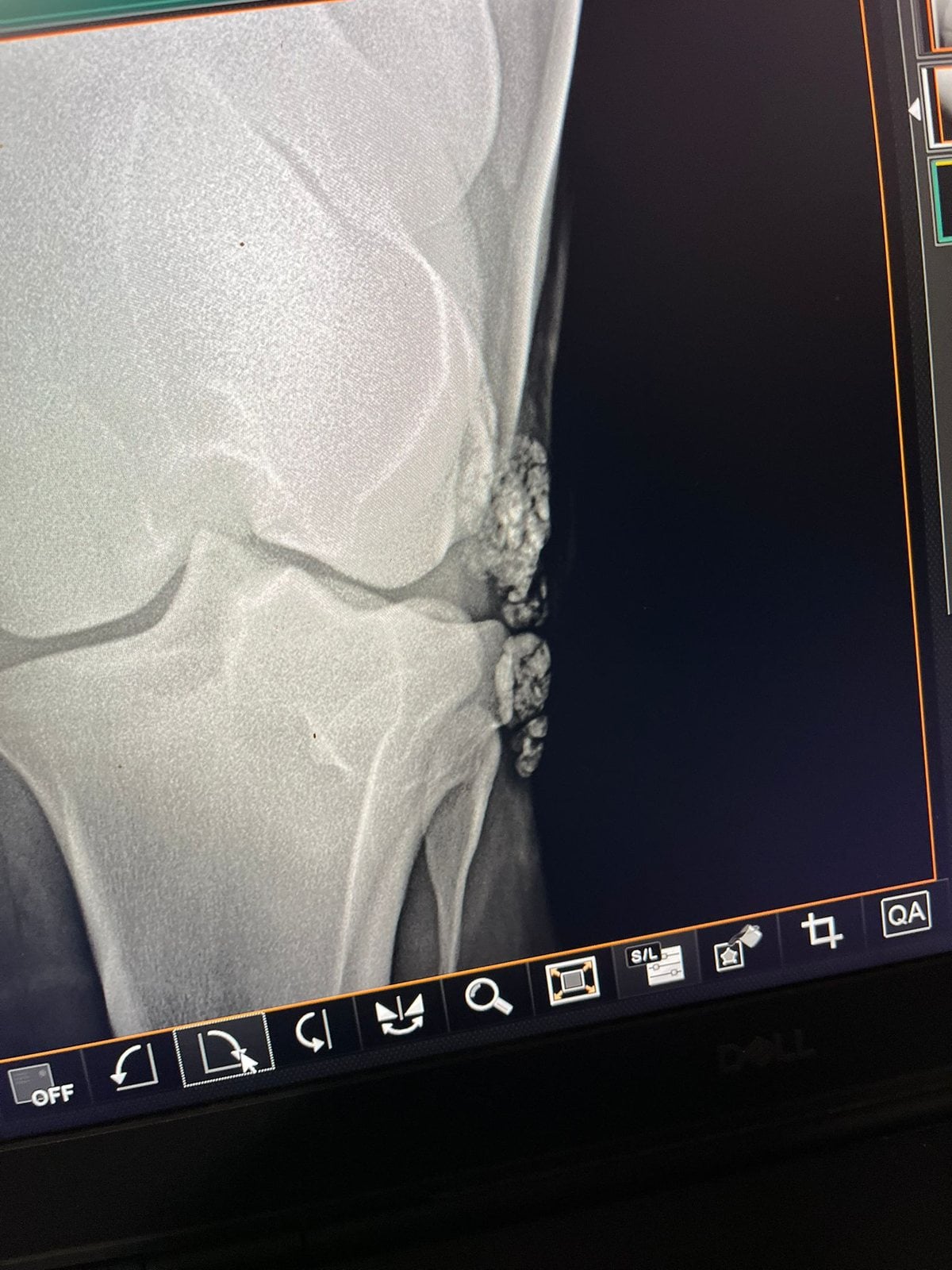
A further X-ray view of Abra's right hind
Right hind · view 3 of 3

Shown as supplied, photographed from the vet’s screen. Select an image to open it full size. We are not vets and we do not read X-rays; the interpretation of these images belongs to Abra’s veterinarian.

Case account 2Balando, a cross-country horse

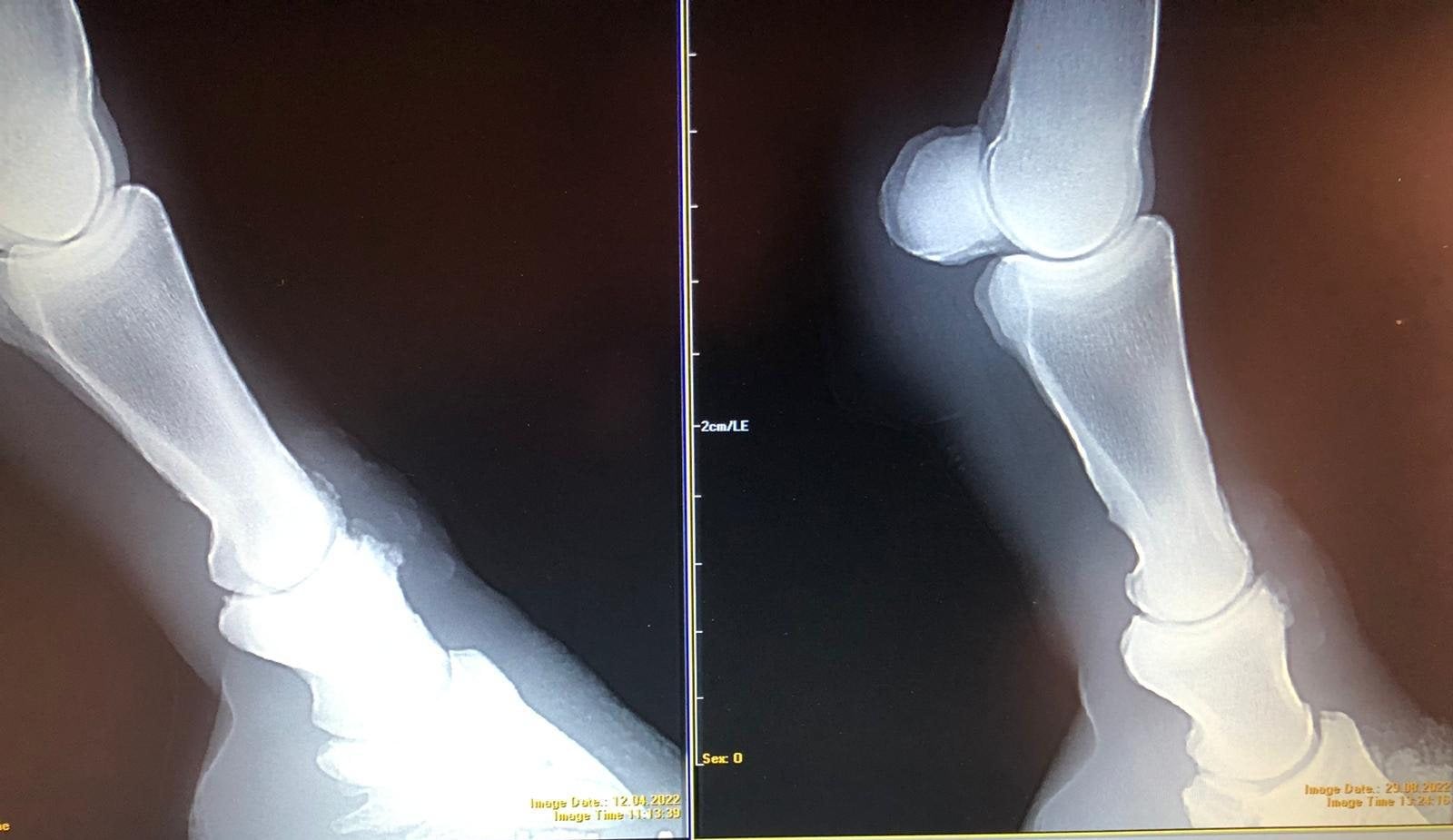
Balando went lame after an injury while jumping. His first X-rays were taken on 12 April 2022.

Those X-rays showed changes in the joint. His veterinary care included surgery, and he had BICOM® bioresonance sessions alongside it. The only other thing he was given was Traumeel, a homeopathic remedy.

Follow-up X-rays were taken on 29 August 2022, just under five months later. After his treatments, Balando went back to cross-country.

Horse
Balando, cross-country horse
Injury
Jumping injury, lame afterwards
Imaging
X-rays on 12 April and 29 August 2022
Care
Veterinary care including surgery, BICOM® bioresonance, homeopathic Traumeel
Timeline

  • 12 Apr 2022Lame after a jumping injury. First X-rays.
  • TreatmentVeterinary care including surgery, with BICOM® bioresonance and Traumeel alongside.
  • 29 Aug 2022Follow-up X-rays.
  • AfterwardsBack in cross-country.
Dates as printed on the X-rays.
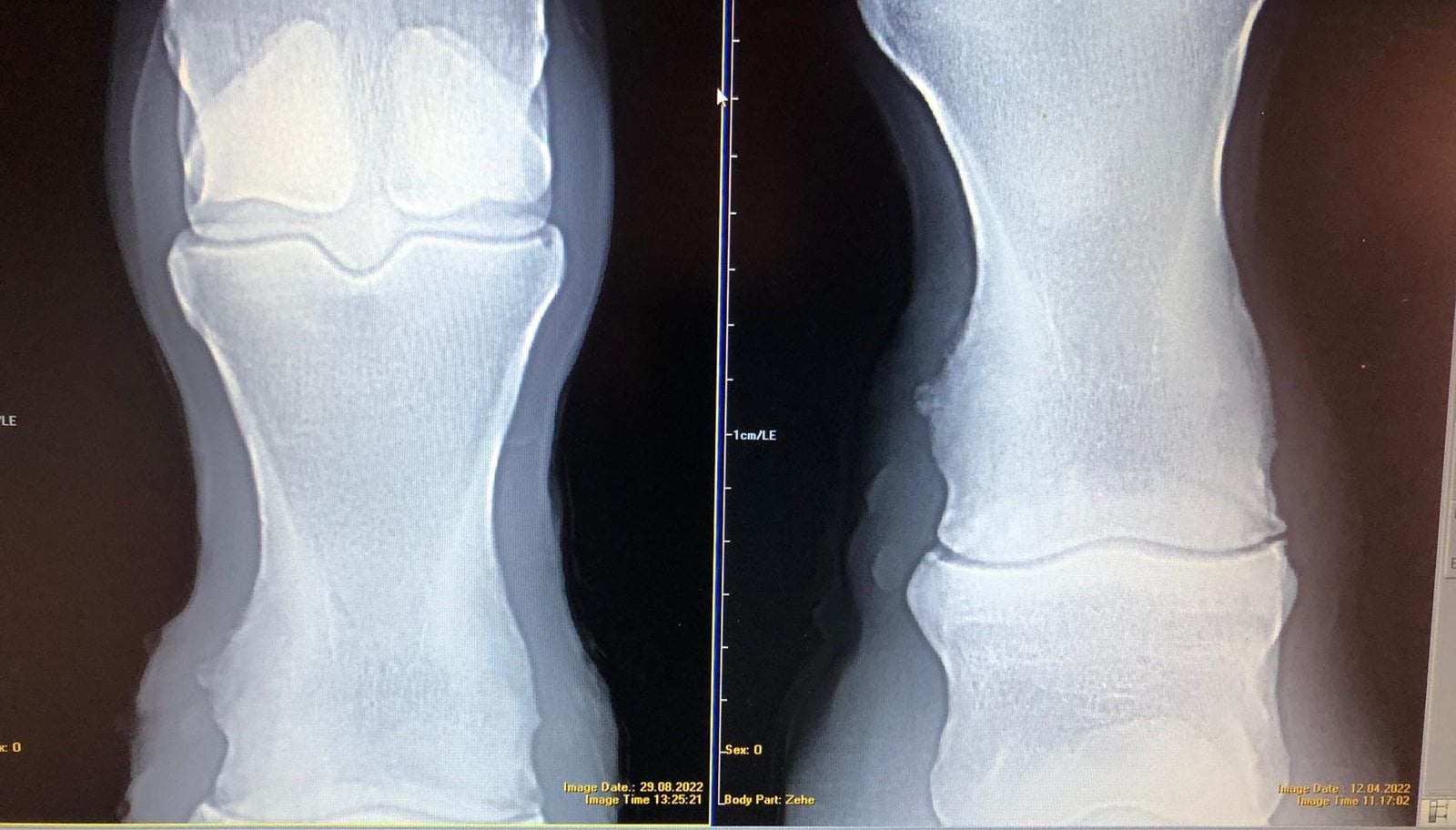
Side-view X-rays of Balando's lower leg on the vet's screen, 12 April 2022 on the left and 29 August 2022 on the right
Side view · 12 Apr 2022 (left), 29 Aug 2022 (right)
Front-view X-rays of Balando's lower leg on the vet's screen, 29 August 2022 on the left and 12 April 2022 on the right
Front view · 29 Aug 2022 (left), 12 Apr 2022 (right)
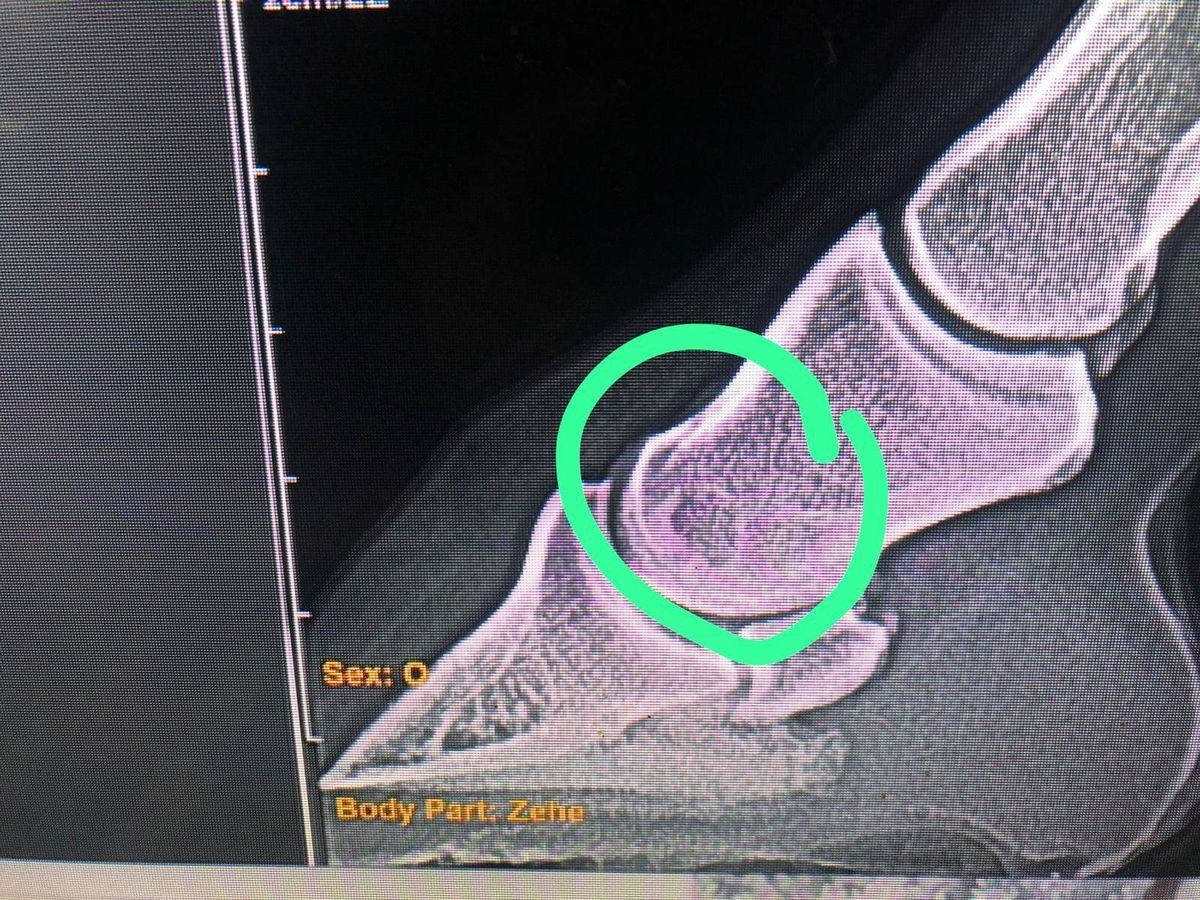
Side-view X-ray of Balando's lower leg with the area of concern circled in green
Area of concern marked · date not shown
Reading these screens

Each of the first two photographs shows two X-rays side by side on the vet’s screen, and the date is printed in the bottom corner of each half. The front view has the later image on the left.

The green circle was drawn on screen to mark the area of concern. The owner’s details have been cropped out.

We are not vets and we do not read X-rays; the interpretation belongs to Balando’s veterinarian. Select an image to open it full size.

Reading an account like thisWhat these stories show, and what they do not

An experienced competition vet looked at Abra’s X-rays and cleared him for cross-country. Balando went back to cross-country after his treatments. Those are the facts, and the verdict on Abra is the vet’s.

What two horses cannot tell you is how much of each recovery came from the bioresonance and how much from veterinary care, surgery, rest, other remedies and the horse’s own constitution. Nobody can separate those in a single case, and we would not trust anyone who claimed to.

Our rules for these accounts

  • We publish the vet’s words as they were given, with permission.
  • We say what else the horse had, as far as we know it: surgery, medication, rest, physiotherapy.
  • We show imaging where it exists and say so where it does not.
  • BICOM® is used alongside the vet, never instead of one. In the UK, diagnosis and treatment of an animal belong to a veterinary surgeon.
From the practitioner libraryAbra and Balando are not the only accounts of their kind

Vets, doctors and practitioners have written up their own cases of injury, fracture and surgery where BICOM® was used alongside conventional care. These are some of them, with their own words and what else each patient had.

Horse · surgeryAn open fetlock joint, and back in work at four months

Case treatment proposal from the Akademie für Komplementär- und Informationsmedizin (AKI)

An eight-year-old mare with a stab wound opening the fetlock joint of her left hind had emergency surgery at a clinic the same evening. BICOM® was run remotely during the operation and continued through her recovery, alongside the clinic’s care.

“Today (4 months later) she is regularly ridden and trained again and no longer has any restrictions.”

Alongside: surgery, six days in the clinic, four weeks walking in hand and physiotherapy.

Read the full report →

Horse · suspected fractureA yearling written off, then used for breeding

Dr med. vet. Ferdinand Denzinger, veterinarian, Germany

A yearling Warmblood mare was run over by the herd. A colleague diagnosed a fractured lumbar vertebra and recommended she be put down. The author treated her with BICOM® instead, weekly over six months. He records a remaining irregularity in the hind legs at speed.

“Now, about 1 year later, the horse walks normally.”

No X-rays were taken, so the original diagnosis was never confirmed by imaging.

Read the full report →

Human · fracture and orthopaedic surgerySeven orthopaedic cases, followed on X-ray

Dr med. Wolfgang Rohrer, physician, Klosters, Switzerland

Seven people after fractures or orthopaedic operations whose healing had stalled, including a tibial plate, a humerus with delayed union and an osteotomy that had not united after more than a year. Each case quotes the treating surgeon’s or radiologist’s own reports.

“Radiologically the healing process is going very well, the fracture has consolidated completely…”

Alongside: physiotherapy, vitamin D and, in some cases, prolotherapy. The specialists quoted do not credit BICOM® alone.

Read the full report →

Human · knee surgeryBack to competition about a third sooner

Marko Kolbezen, sports professor, Slovenia

Athletes after cruciate ligament reconstruction and other knee surgery, with BICOM® added to their rehabilitation. A 17-year-old basketball player was back on court four months after his operation.

“Rehabilitation from the time of injury to full athletic load (competition level) was over a third faster.”

Alongside: a full sports rehabilitation programme.

Read the full report →

These are practitioner case reports from our practitioner library. They are individual accounts, not controlled trials, and several patients had other treatments at the same time.

For vets and practitionersThe post-injury and post-operative programmes these reports describe

Across these cases, the same group of BICOM® programmes comes up again and again for recovery after injury and surgery. They are listed here for trained practitioners, as the authors named them. Which ones to use, and when, is covered in BICOM UK training.

  • 940.3Post-operative programmeAnd programme series 10122
  • 10192Cell regeneration after surgeryProgramme series
  • 10188Wound healingProgramme series
  • 910.3Scar therapy
  • 930.3Lymph activationWith 3066.0
  • 922.2Tissue injury, acute
  • 10154Sports injuriesWith 630.3 and 460.9
  • CTTOrthopaedics test setIncluding the bone and stabilisation ampoules
Next stepTalk to us about your horse

If your horse is recovering from an injury or an operation, your vet comes first. If you would like BICOM® alongside their care, tell us where the yard is and we will point you to a trained practitioner or a vet who uses the method.

Share your horse’s account

If your horse has had BICOM® alongside veterinary care and you have X-rays, scans or your vet’s notes, we would like to hear from you. We only publish with the owner’s and the vet’s permission.

Educational material only. The accounts on this page describe individual animals and people; they are not veterinary or medical advice and make no claim that bioresonance will produce any particular result. For any decision about a horse’s health, speak to a veterinary surgeon. Regumed and BICOM® are registered trademarks. Bicom UK LLP is an authorised distributor.

Chat on WhatsAppUsually replies during business hours