
Older and weakened animals, large herds and high turnover in a stable all raise susceptibility to infection, and cold, wind and damp finish the job. Sets out the TCM reading of cold and damp weakening Qi, which elements tend to test, and five standard prophylactic therapy sessions with their programmes, timings, applicator placement and channel 2 substance complexes.
Category Archives: Veterinary, general
Medicines, additives and vaccinations can burden the elimination organs of animal patients and leave stressful information behind years after the substance has cleared, blocking meridians, chakras and cell communication. Covers the KTT test set Pharmaceuticals and Neurology, what its green, blue, yellow and pink ampoules do, how A and Ai results differ in meaning, and testing with native preparations.
Inhalation allergies in horses have become more common, and environmental pollution appears to be part of the reason. Covers collecting native pollen, hay dust and house dust from the stable, combining these with ampoules for ozone, fine dust, glyphosate and radioactive substances, testing moulds when symptoms persist in rain, and the programme sequences 10310 and 10317.
Tumour diseases are rising in dogs and other species, and BICOM can support these patients alongside conventional treatment without the CTT tumour test kits. Sets out the order of work: basic therapy, treatment of blockages, opening the elimination organs, indication related therapy and stabilisation. Covers spike protein blockages, when to begin detoxifying, adrenal support, and the shock and stress programmes to test.
Fat metabolism in animals: synthesis, digestion, transport, storage and lipolysis, with differences between species, and why hypothyroid patients so often show lipid metabolism disorders. Lists the programmes to test individually, from 460.1 and 520.2 through to the chains 10049, 10050 and 10051, applicator placement at the right costal arch, and the link to the element wood.
Carbohydrate metabolism and pancreatic juice secretion in the veterinary patient. Covers glycogen synthesis, glycogenolysis, glycolysis, the pentose phosphate pathway and gluconeogenesis, insulin and glucagon regulation, and where insulin resistance, diabetes, hypoglycaemia and hyperglycaemia fit. Lists the programme chains 10082 and 10118, the pancreas, meridian and metabolism programmes to test, and the spleen and pancreas link in TCM.
A new CTT test kit for the veterinary practice, covering heavy metals and the newer environmental burdens: microplastics, nanoparticles, silicone, PFC/PFAS, parabens, phthalates, radioactive substances and a 5 G ampoule that treats rather than protects. Covers the 57 grey ampoules, the three pink harmonisation ampoules, the Ai and A programmes used to test them, and combinations with feed allergens and vaccinations.
Learn how immune system misinformation affects pets and how BICOM bioresonance therapy corrects cell communication to treat allergies and autoimmune diseases.
Article, Veterinary blog, Veterinary, general
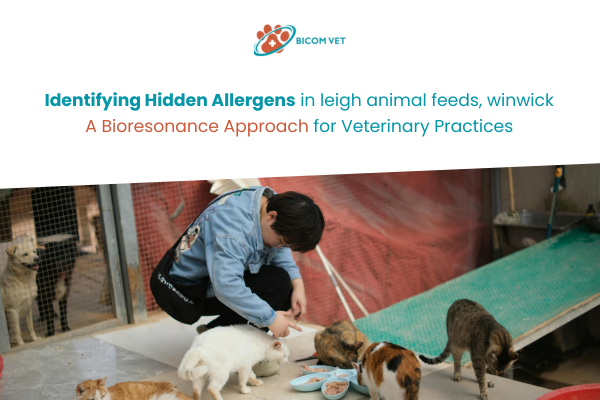
Leigh Animal Feeds Winwick Allergen Testing | Bioresonance Vet
25
Nov
Nov
Discover hidden allergens in leigh animal feeds Winwick, using bioresonance therapy. Non-invasive frequency testing for veterinary practices.
Article, Veterinary blog, Veterinary, general
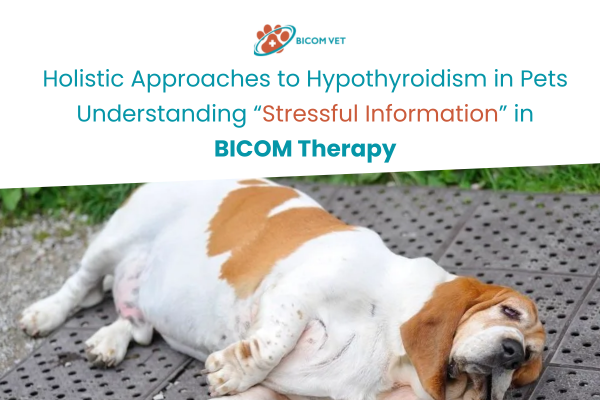
Holistic Approaches to Hypothyroidism in Pets: Understanding Stressful Information in BICOM Therapy
29
Sep
Sep
Learn how BICOM therapy supports pets with hypothyroidism using holistic, non-invasive methods and “stressful information” mapping. Safe, clear, evidence-aware.