
Hypothyroidism is common in dogs and rarely diagnosed in horses, and usually follows lymphocytic thyroiditis. Part 1 covers the symptom picture, from poor coat and delayed coat change to laminitis and myxoedema, the CTT and STT ampoules that commonly resonate, the gluten link carried over from human medicine, and the drug triggers to rule out.
Category Archives: Dogs
The thymus is the control organ of the immune system and the only site where T lymphocytes can be primarily differentiated, even after involution. Covers how the gland is built in different species, the blood-thymus barrier, physiological involution in dogs from the eighth week, programmes 428.2 and 3108.0, the fourth chakra correspondences, and the Blockade thymus settings.
In dogs the small intestine meridian starts at the outer claw fold, in horses at the outside of the hoof, and runs to a point in front of the ear. Covers the indications from colic and watery faeces to mastitis, corneal opacity, epilepsy and laryngitis, the four meridian programmes, flooding between SI 1 and SI 19, and the procedure for stagnation.
Erosive and non-erosive polyarthritis in dogs, triggered by vaccinations, bacterial or protozoal infection or chronic enteropathy. Covers the rheumatic and joint programmes in the device, the element wood reading from TCM, the test sets for allergic, parasitic, fungal and bacterial stresses, intracellular pathogens such as borrelia, and the dental and vaccination blockages that hold therapy back.
Chronic pain, polyneuropathy, paraesthesia and nerve injury in animal patients, treated by flooding the affected meridians alongside the cause. Covers the nervous system meridian programmes according to Dr. Voll, second channel ampoules, epilepsy and behavioural problems, shock and laterality programmes, blockages worth checking, and testing dogs for spike protein information.
Tumour diseases are rising in dogs and other species, and BICOM can support these patients alongside conventional treatment without the CTT tumour test kits. Sets out the order of work: basic therapy, treatment of blockages, opening the elimination organs, indication related therapy and stabilisation. Covers spike protein blockages, when to begin detoxifying, adrenal support, and the shock and stress programmes to test.
19
Aug
Aug
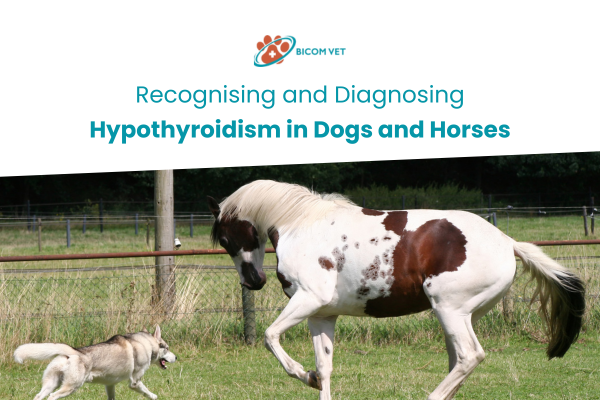
Learn to recognise and diagnose hypothyroidism in dogs and horses. Spot early symptoms, understand causes, and protect your pet’s long-term health.

13
Mar
Mar
Discover how pets with owners develop deep emotional bonds, improve well-being, and create lifelong companionship based on love and trust.

17
Dec
Dec
Ensure your dog’s long life with expert care from a specialist dog vet. Find out how targeted treatments can boost your pet’s health and longevity.

11
Oct
Oct
Learn about 10 common health issues in dogs and when to consult a professional dog vet for the best care. Spot signs early and protect your pet’s health.
- 1
- 2